

Linking Elemental & Molecular Analysis in Agri-Food & Feed. Webinar Highlights
24 March 2026
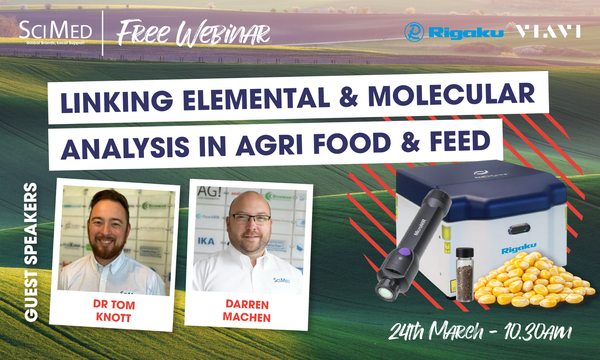
SciMed recently hosted a technical webinar focused on elemental and molecular analysis in agri-food and feed applications, highlighting how combining XRF and NIR techniques can significantly improve analytical workflows.
Led by Tom Knott, XRF Product Manager, and Darren Machen, NIR Product Manager, the session explored how these complementary technologies can be used together to deliver faster, more reliable insights across agriculture, animal feed, and food production.
The webinar brought together professionals from across the industry, all looking to better understand how to optimise analysis from soil and crop monitoring through to feed production and final product quality control.
Webinar Highlights
Elemental Analysis in Agri-Food Using XRF
The session opened with an overview of elemental analysis using X-ray fluorescence (XRF), focusing on its growing role within the agri-food sector.
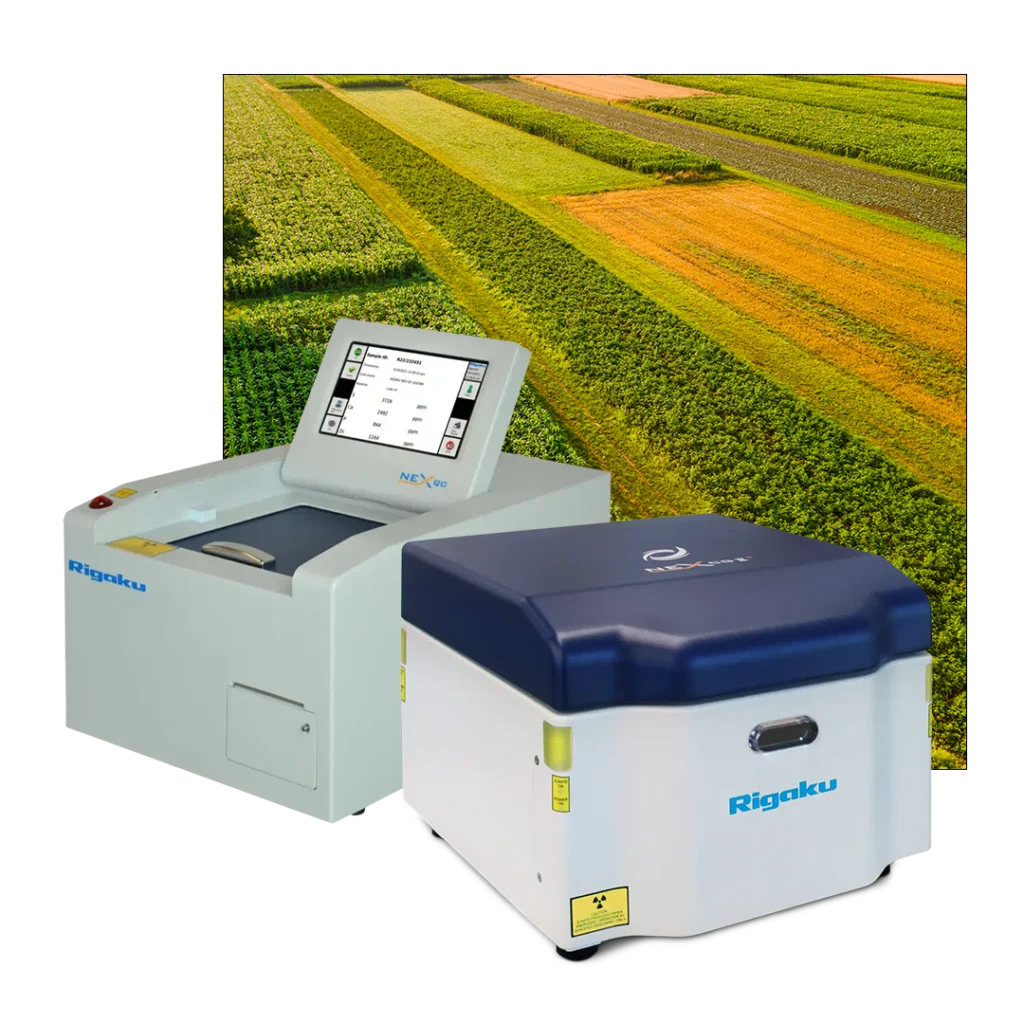
XRF offers a rapid, non-destructive approach to measuring elemental composition, with minimal sample preparation required. This makes it particularly valuable for high-throughput environments where speed and efficiency are critical.
Applications discussed included:
- Soil nutrient analysis and monitoring
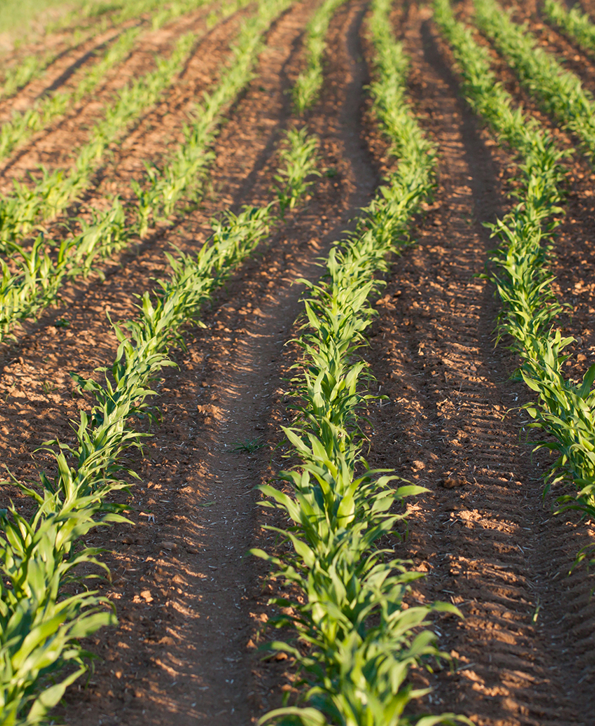
- Crop and plant composition analysis
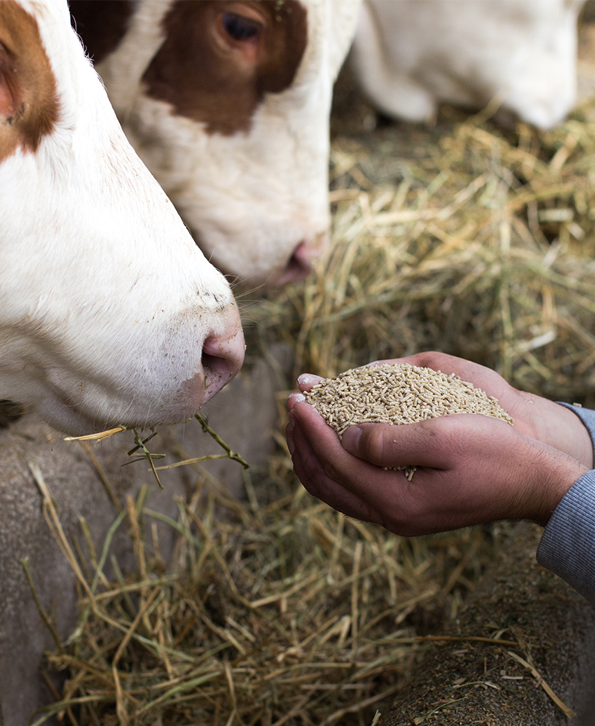
- Feed formulation and quality control
- Screening for heavy metals and contaminants
XRF allows users to measure multiple elements simultaneously across a wide concentration range, supporting faster decision-making while reducing reliance on complex laboratory processes.
The webinar then moved on to molecular analysis using near-infrared (NIR) spectroscopy, which provides insight into the composition of organic materials.
Unlike XRF, which focuses on elemental content, NIR enables analysis of key parameters such as:
- Moisture
- Protein
- Ash content
- Feed quality and grading
A key focus was the use of handheld NIR devices, enabling analysis to be carried out directly in the field or at-line within production environments.
This approach reduces the need for laboratory testing and allows users to make faster, data-driven decisions based on real-time results.
Molecular Analysis with NIR Spectroscopy
Wireless Analysis
Seamless Material Testing
Rugged Design
IP65 and IP67 Rated
Versatile Applications
From Pharmaceuticals to Food
Why Combine XRF and NIR in Feed Analysis?
A central theme throughout the webinar was the importance of combining elemental and molecular analysis techniques to gain a more complete understanding of materials.
XRF provides information on elemental composition, while NIR delivers insight into molecular structure and organic content.
Together, these techniques support:
- Improved understanding of soil-to-feed nutrient pathways
- Better control of raw material variability
- Faster screening and reduced laboratory bottlenecks
- Enhanced product consistency and quality
By integrating both approaches, organisations can optimise their analytical workflows and improve overall operational efficiency.
Expert Insight
Tom Knott, XRF Product Manager, SciMed added:
“There’s no single technique that answers every question. What we’re seeing more and more is the value of combining tools like XRF and NIR to get a fuller picture and improve efficiency across the workflow.”
Expert Insight
Darren Machen, NIR Product Manager, SciMed added:
“The real shift is moving analysis closer to the process. With handheld NIR, you can take measurements directly in the field or production environment and make decisions instantly.”
Contact us
What Next?
If you are exploring elemental and molecular analysis in agri-food or feed applications, SciMed can support you with tailored solutions.
Contact Us Today
We take great pleasure in assisting you and ensuring you get a prompt response to your questions
Live chat opening hours Mon – Fri 9:15 to 16:30 (UK Time)