
SciMed Education
How Better Battery Testing Creates Better Recycling Outcomes
In Summary
Battery testing for recycling helps facilities assess the residual energy, condition and potential second-life value of end-of-life batteries before processing.
Measurements such as remaining capacity, internal resistance, state of health and safety indicators inform decisions about discharge, reuse and recycling, supporting safer handling and better recovery of battery value.
This article also explains how NEWARE battery testing systems can assess cells, modules and packs, and how regenerative discharge technology can recover some energy to improve operational efficiency.
Why Battery Condition and Lifecycle Data Matter for Recycling
Recovering valuable materials is only part of the battery recycling challenge. Understanding the condition, history, and remaining value of a battery is essential before recycling. It helps create a safer, more efficient, and more profitable circular battery economy. The EU Battery Passport is designed to make this vital information more accessible across the battery lifecycle.
Why can batteries still contain stored energy at the end of their life?
A battery reaches the end of its original service life when it can no longer meet the performance, reliability or other requirements of its intended use. That does not mean its electrical energy has been exhausted. Batteries may retain a substantial state of charge when they enter a recycling or assessment facility.
Residual energy can increase the consequences of recycling activities. It can contribute to overheating, electrical hazards, and thermal runaway events if damaged cells are short-circuited during processing. Controlled discharge helps reduce these risks by bringing batteries to a safer state.
Does every battery need to be discharged before recycling?
No single discharge requirement applies to every battery in every case.
For permitted waste-battery facilities in England, the Environment Agency advises that large battery packs and modules should be tested and where necessary, safely discharged to an appropriate level before further treatment.
Routine charge/discharge equipment should not be assumed suitable for every end-of-life battery.
The appropriate course of action depends on the battery condition, intended process, facility procedures, and a suitable risk assessment.
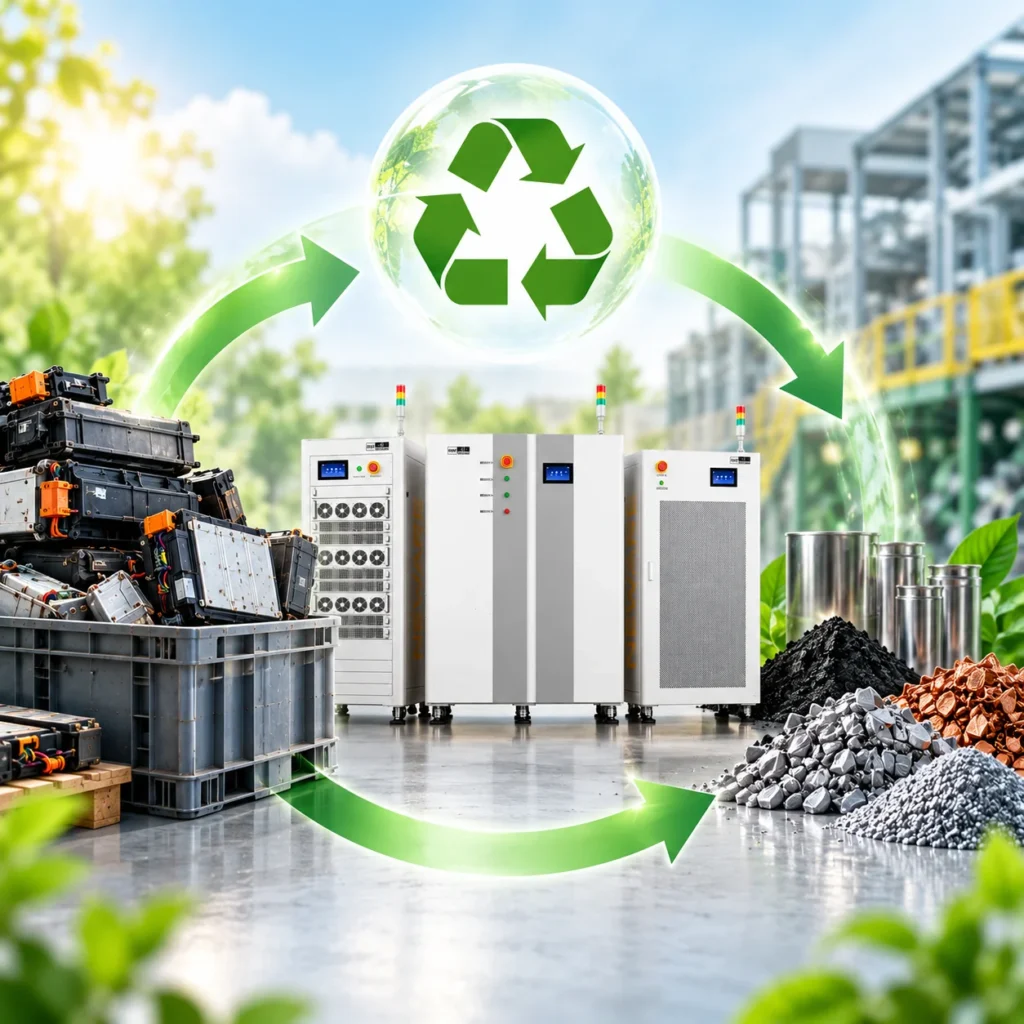
How can battery testing aid recycling and second-life assessment?
A battery arriving at a recycling facility may still contain substantial residual value. Some batteries are suitable for second-life applications, while others require immediate recycling due to degradation, safety concerns, or performance limitations. Making the right decision requires data, and that data comes from testing.
Battery testing provides critical information including:
- Remaining capacity
- Internal resistance
- State of Health (SOH)
- Cycle life history
- Safety indicators
- Performance consistency across cells and modules
These parameters help recyclers assess whether a battery has reached its true end-of-life or still retains useful operational value. The quality of recycling decisions is directly linked to the quality of the testing data available.
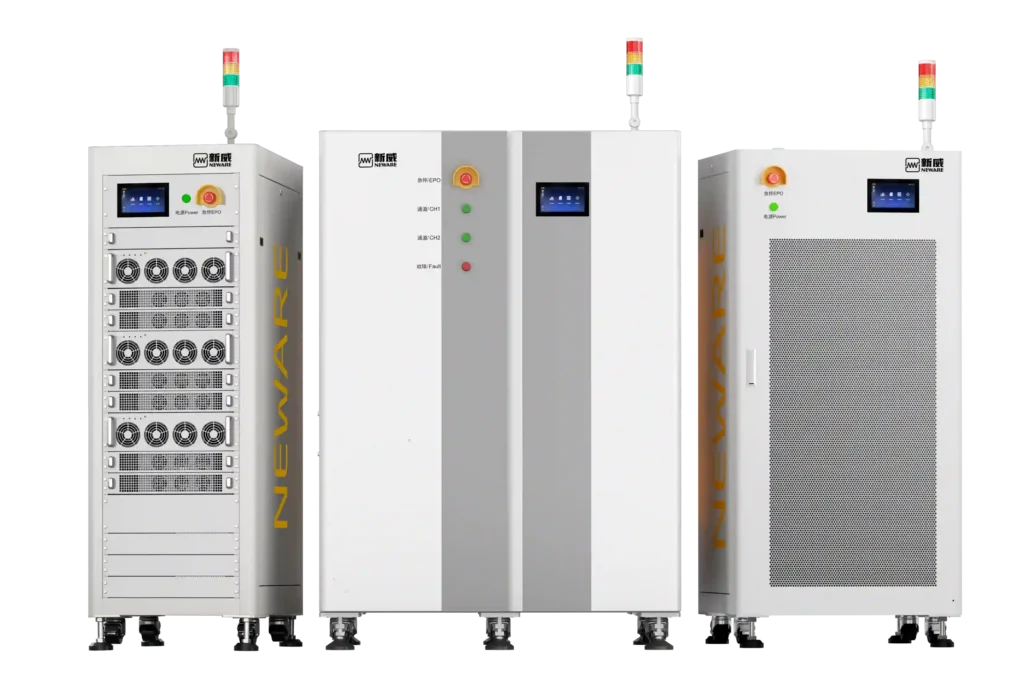
How can Neware battery testing equipment support battery recycling?
The Neware battery testing systems provide the precision, flexibility, and scalability required across the battery lifecycle, from R&D through production, and ultimately recycling. Within the manufacturer’s CE-6000 range, equipment is available for all standard battery configurations including cells, modules, and packs.
Before recommending a system for your process, SciMed’s technical team will discuss the intended application, required operating range, protective arrangements, and any necessary integration.
What is regenerative battery discharge and why might it matter?
One often-overlooked aspect of battery discharge is energy efficiency.
Neware regenerative systems incorporate energy recovery technology during battery discharge. Rather than converting all discharged energy directly into waste heat, these systems are designed to recover a proportion of that energy, improving operational efficiency. The regenerated energy can even be collected and sold back to the local grid.
For recycling facilities processing significant battery volumes, energy recovery can help reduce overall operating costs while supporting sustainability objectives.
What should recycling facilities consider when evaluating a battery test system?
The most successful battery recyclers will be those that can identify value before a battery enters the recycling process.
By combining accurate battery testing with lifecycle data, recyclers can:
- Recover greater value from battery assets
- Support second-life battery applications
- Improve operational safety
- Reduce unnecessary material destruction
- Enable a truly circular battery economy
SciMed’s technical team can provide guidance on which battery testing system is most suitable from Neware’s high-precision battery testing platforms.
What to Do Next?
Discuss your battery testing and discharge requirements with SciMed.
If you are evaluating battery testing, monitoring or discharge arrangements ahead of recycling, our technical team can help you explore NEWARE system options and the information needed to assess suitability for your application.
Page FAQ's
Not every EV battery requires the same discharge procedure before recycling. Batteries may retain significant electrical energy at the end of their service life, creating safety risks during handling and processing. Battery testing helps determine their condition and whether controlled discharge is necessary. The appropriate approach depends on battery condition, facility procedures and a suitable risk assessment.
Battery testing for recycling helps assess the condition, safety and remaining value of lithium-ion batteries before processing. Measuring remaining capacity, internal resistance and state of health (SOH) helps recyclers identify batteries suitable for second-life applications and those requiring recycling. Accurate testing supports safer handling, more informed decisions and better recovery of battery value.
Yes. Some end-of-life electric vehicle batteries may retain sufficient capacity and performance for second-life applications, such as stationary energy storage. Battery state of health testing helps determine whether reuse is technically appropriate. Factors including remaining capacity, internal resistance, cell consistency and safety condition influence whether a battery can be repurposed or should enter the recycling process.
Yes. Even after discharge, lithium-ion batteries can present safety hazards due to internal damage, chemical instability or previous exposure to extreme conditions. Reducing stored electrical energy does not eliminate every risk, including the potential for thermal runaway. Appropriate battery assessment, handling procedures and safety controls remain essential throughout the recycling process.
Regenerative battery discharge uses specialised testing equipment to recover a proportion of electrical energy during controlled discharge rather than converting it all into waste heat. Systems such as NEWARE regenerative battery testing equipment can improve energy efficiency and help reduce operating costs. Depending on system configuration and electrical infrastructure, recovered energy may be reused or exported to the grid.
Contact Us Today
We take great pleasure in assisting you and ensuring you get a prompt response to your questions
Live chat opening hours Mon – Fri 9:15 to 16:30 (UK Time)