
SciMed Education
Analysis of Black Mass and Cathode Material Using High‑Resolution ICP‑OES
Introduction
High‑resolution ICP‑OES enables robust analysis of major, minor and trace elements in black mass and cathode materials from recycled lithium‑ion batteries, supporting sustainable battery recycling and quality control.
How Does High‑Resolution ICP‑OES Analyse Black Mass and Cathode Material from Lithium‑Ion Batteries?
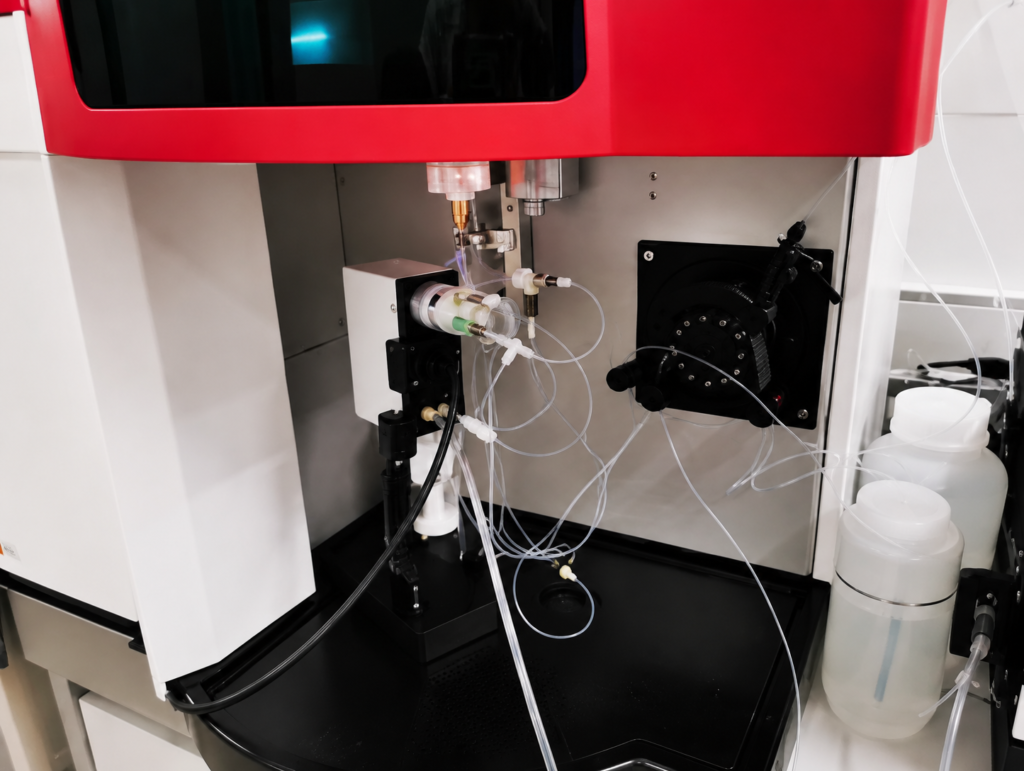
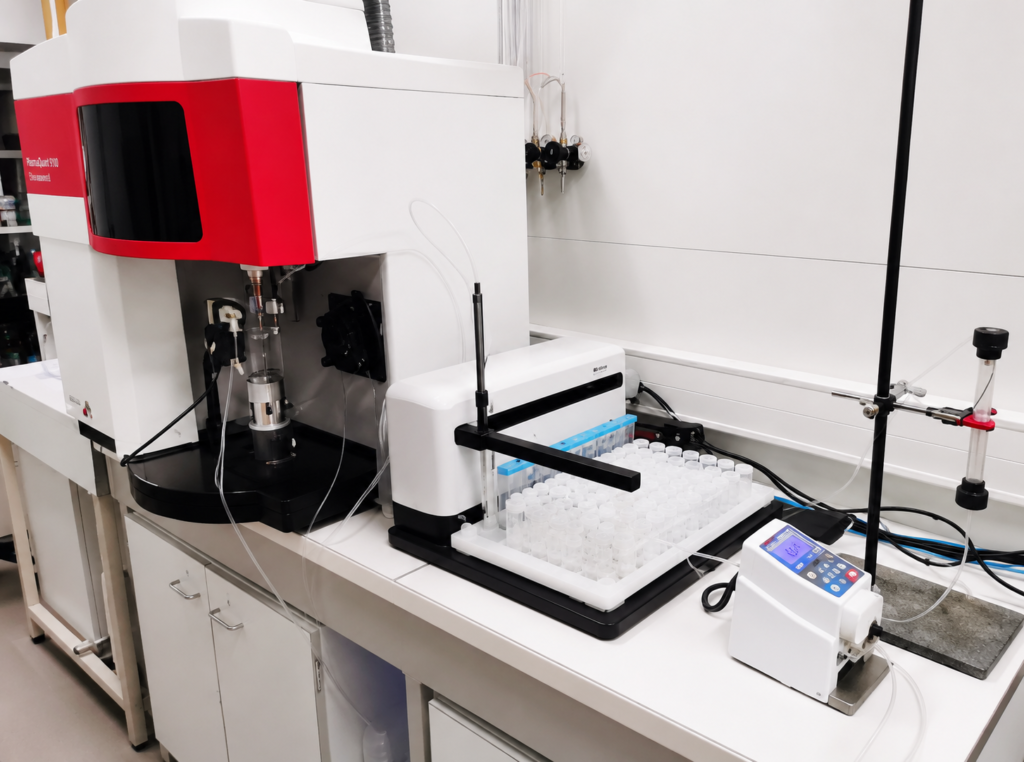
The PlasmaQuant 9100 Elite uses high‑resolution inductively coupled plasma optical emission spectroscopy to detect a broad range of elements in black mass and cathode materials. The dual‑view PLUS configuration combines axial and radial plasma observation with attenuation modes to adapt sensitivity and extend the linear working range. This flexibility means the same method can accurately quantify sub‑parts‑per‑billion concentrations and major components in the same run. Automatic baseline correction tools help evaluate spectra and ensure interference‑free results.
Why is Battery Recycling and Black Mass Analysis Important for Lithium‑Ion Sustainability?
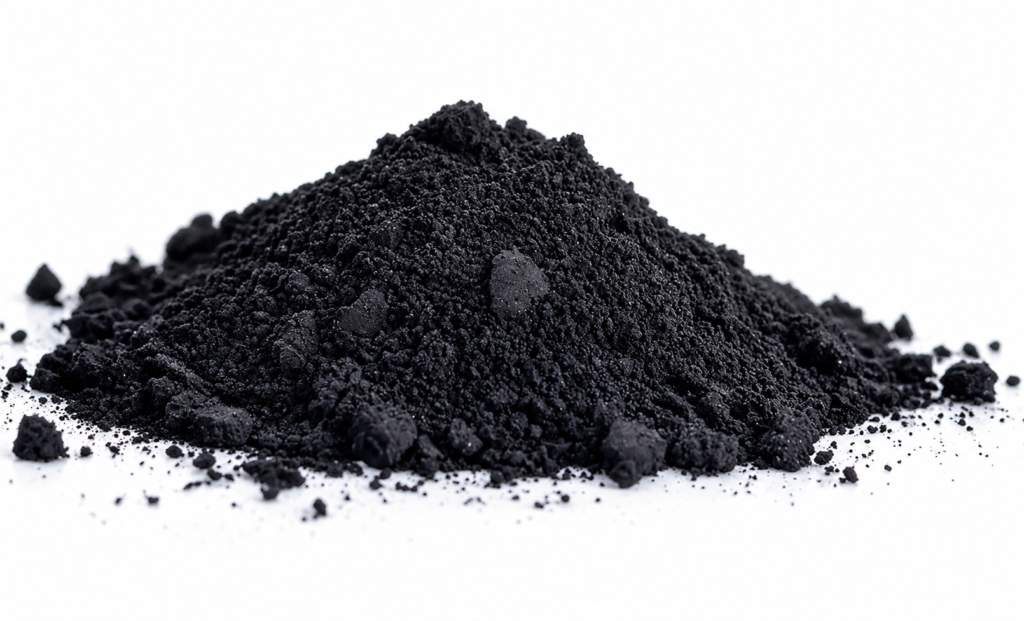
Lithium‑ion batteries are essential for electric vehicles and portable devices because of their high energy density and long life. As production expands, environmental sustainability is becoming a key part of the value chain. After a battery reaches the end of its service life, it is shredded to produce a powdery mixture called “black mass,” which contains graphite and metals such as lithium, cobalt, nickel, copper and manganese. The composition varies with battery chemistry, so measuring major, minor and trace elements is critical for reclaiming valuable materials and protecting the quality of recycled feedstock. The European Union already requires a 50 % recycling efficiency and plans to increase this to 65 %, so analytical techniques that support efficient recycling are essential.
How are Pyrolyzed Black Mass Samples Prepared for High‑Resolution ICP‑OES?
Sample set 1 in the application note consisted of pyrolyzed black mass from lithium ferrous phosphate (LFP) batteries. Fine and coarse fractions were weighed into extraction tubes, then digested using concentrated nitric acid, hydrogen peroxide and hydrochloric acid. The mixtures were heated for two hours at 110 °C, diluted to volume with deionised water and filtered. The filtered supernatants were used to prepare final test solutions, which were diluted twenty‑fold with 2 % nitric acid before analysis. Duplicate preparations confirmed that the open‑block digestion provided reproducible results.
How are Cathode Materials Extracted and Diluted using Different Acids for HR‑ICP‑OES?
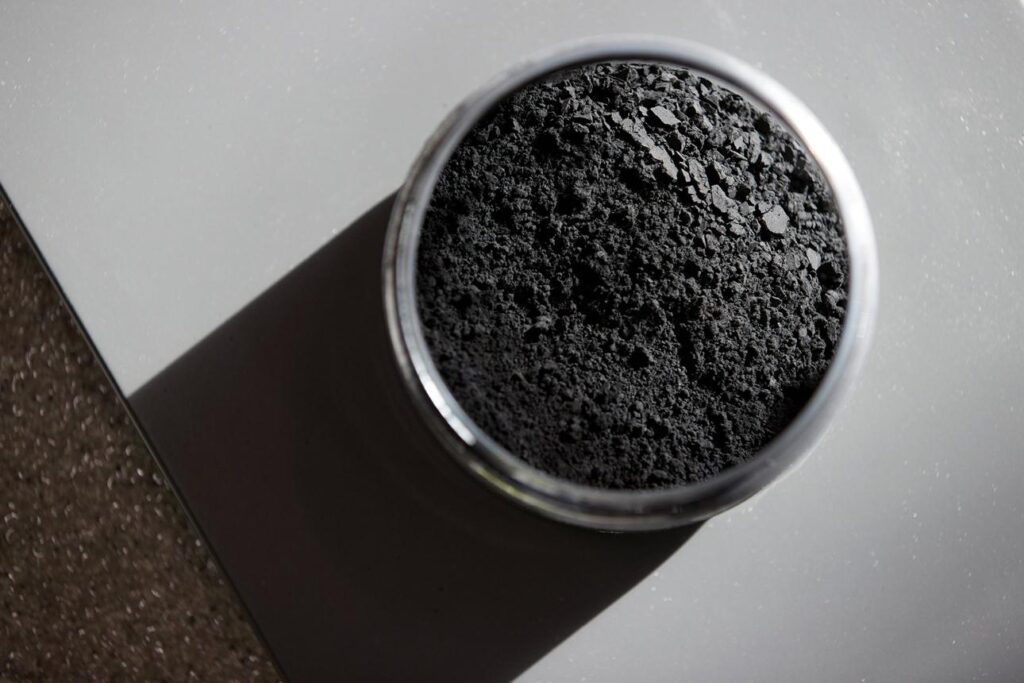
In sample set 2, cathode materials containing nickel, manganese and cobalt (NMC) were provided as acid extractions prepared with different reagent mixtures. One extraction used 4 M sulphuric acid, another combined sulphuric acid with 15 % hydrogen peroxide, and two extracts used aqua regia (nitric and hydrochloric acids) at different dilution ratios. These digests were produced by heating 4 g samples at 100 °C for one hour. After filtration, the supernatants (100–200 mL) were analysed either undiluted or diluted according to the expected elemental concentrations. Yttrium was added as an internal standard to all calibration standards and samples, which compensates for matrix effects and helps to correct signal suppression observed when sulphuric acid is used.
What Instrument Parameters and Method Settings Are Used on the PlasmaQuant 9100 Elite ICP‑OES?
The PlasmaQuant 9100 Elite was operated with plasma power between 1200 W and 1350 W and plasma gas flows around 13–14 L/min. Nebulizer gas flows were 0.5–0.6 L/min and the autosampler delivered 1 mL/min via a cyclonic spray chamber. A hydrofluoric acid‑resistant sample introduction system was used for black mass samples because of the expected fluorine content. The method settings selected appropriate plasma view directions (axial or radial), integration times and attenuation modes for each element to optimise sensitivity and avoid spectral overlaps, as summarised in the instrument tables.
How is Calibration of Major, Minor and Trace Elements Performed for Black Mass and Cathode Material?
Calibration standards were prepared by serial dilutions of single‑element and multielement stock solutions in 2 % nitric acid. Concentration levels were chosen to bracket the expected range of each analyte, with up to six calibration points for elements such as aluminium, copper, lithium, cobalt, nickel and manganese. Yttrium was added to standards and samples as an internal standard to correct for matrix effects. Example calibration functions demonstrated excellent linearity across ranges from micrograms per litre to hundreds of milligrams per litre.
What Are the Major, Minor and Trace Element Results in Pyrolyzed Black Mass (LFP) Samples?
For the pyrolyzed black mass samples (Sample A–D), the high‑resolution ICP‑OES provided reproducible results with relative standard deviations typically below 2 %. Fine black mass (Sample A) contained approximately 12–14 g/kg of aluminium, 44 g/kg of copper and 27–30 g/kg of lithium. Coarse black mass (Sample B) showed higher levels of aluminium (~26–27 g/kg) and copper (~70–76 g/kg), with lithium around 33–35 g/kg. The filter fraction (Sample C) had lower concentrations of these elements, while Sample D exhibited the highest copper content (~170–182 g/kg) and elevated aluminium (~45–49 g/kg). These results confirm that the digestion and analysis method can quantify major and minor elements across a wide dynamic range.
What Are the Major, Minor and Trace Element Results in NMC Cathode Material with Various Acid Extractions?
The cathode extracts (Samples E–H) yielded concentrations for nickel, manganese, cobalt, lithium and other elements at the milligrams‑per‑kilogram level. Samples prepared with sulphuric acid (E and F) contained around 80–196 g/kg of cobalt and 64–75 g/kg of lithium. Trace metals such as chromium, gallium and titanium were present at much lower levels (below 0.1 g/kg) or below the detection limit. Aqua regia extracts (G and H) produced similar cobalt concentrations (~112–115 g/kg) and manganese around 107–108 g/kg, while lithium ranged from 43–43 g/kg. These results illustrate how different extraction chemistries influence recovery and matrix effects.
What Detection Limits and Quantification Limits Are Achieved for Lithium, Cobalt, Copper and Other Elements?
Instrumental limits of detection (LOD) on the PlasmaQuant 9100 Elite were in the low microgram‑per‑litre range for most elements, translating to method‑specific detection limits in the tens of milligrams per kilogram for black mass samples. For example, the method LOD for lithium in sample set 1 was 9.5 mg/kg and 0.5 mg/kg for sample set 2. Copper had method detection limits of 9 mg/kg for the 0.2 g samples and 1.5 mg/kg for the 4 g samples. Detection limits for cobalt and nickel were around 5 mg/kg, while titanium had a method LOD of 0.002 mg/kg. These low detection limits enable reliable measurement of trace elements that could affect battery recycling quality.
Why Is the Dual View PLUS High‑Resolution ICP‑OES Important for Interference‑Free Element Analysis?
The PlasmaQuant 9100 Elite combines axial and radial plasma observation with attenuation to tailor sensitivity for each element. This dual‑view PLUS design allows simultaneous measurement of major and trace elements without sacrificing accuracy. High spectral resolution (2 pm at 200 nm) resolves overlapping emission lines and avoids spectral interference from the sample matrix, which is particularly important when using sensitive analytical lines for trace elements. The application note demonstrated recoveries between 92 % and 110 % for spiked samples, confirming that internal standard correction and high resolution provide accurate, interference‑free analysis.

What to do next?
If you require more information about analysing black mass and cathode materials with the PlasmaQuant 9100 Elite, or if you would like to discuss your application with a SciMed specialist, please contact us using the options below. Our team can supply detailed application notes, arrange demonstrations and help you choose the right ICP‑OES configuration for your recycling or battery research needs.
Page FAQ's
Black mass is the granular mixture obtained after shredding and treating spent lithium‑ion batteries. It contains graphite and metals such as lithium, cobalt, nickel, copper and manganese, and its composition varies with battery chemistry
Black mass samples are digested in nitric acid, hydrogen peroxide and hydrochloric acid using an open‑block digestion. Cathode materials are extracted with sulphuric acid or aqua regia, filtered and diluted. All solutions receive an internal standard of yttrium to correct for matrix effects.
The PlasmaQuant 9100 Elite simultaneously quantifies major elements (e.g. aluminium, copper, lithium), minor elements (e.g. cobalt, nickel, manganese) and trace impurities (e.g. chromium, gallium, titanium, molybdenum, silicon and zinc) across wide concentration ranges.
Method detection limits vary from a few tenths of a milligram per kilogram for elements like titanium to single‑digit milligrams per kilogram for metals such as cobalt, nickel and copper. For lithium, method detection limits can be as low as 0.5 mg/kg when larger sample sizes are used.
Contact Us Today
We take great pleasure in assisting you and ensuring you get a prompt response to your questions
Live chat opening hours Mon – Fri 9:15 to 16:30 (UK Time)