
SciMed Education
Fast Analysis of Lithium Ores Using Flame‑AAS contrAA 800
Introduction
Fast and reliable analysis of lithium‑ore digests can be achieved by pairing a High‑Resolution Continuum‑Source Flame‑AAS contrAA 800 F/D with a microwave digestion system and an autosampler; this combination delivers rapid multi‑element measurements (around six elements in two minutes) and streamlines sample preparation.
What drives interest in lithium‑ore analysis?
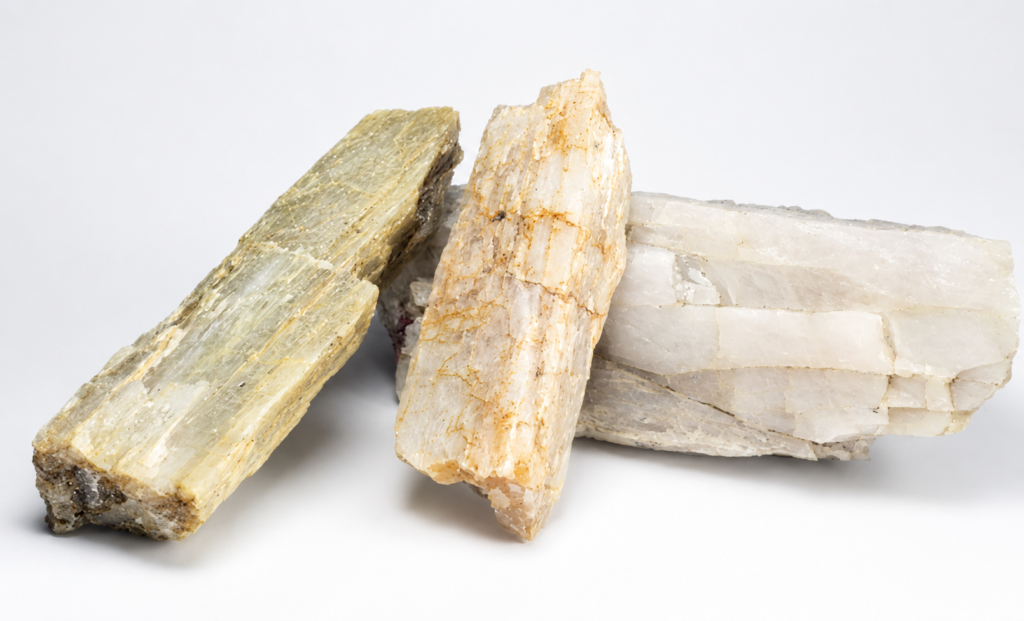
The application note opens with the context that lithium‑ion batteries are essential for energy‑storage technologies, making lithium a strategically important element. Brine deposits in salars and geothermal fields hold the largest reserves of lithium, but pegmatite concentrates currently supply most production because they offer high quality at lower cost. To convert ore into industrial lithium compounds, it is important to quantify both the lithium content and the concentration of accompanying elements such as aluminium, calcium, iron, potassium, magnesium, manganese and sodium. Traditional exploration methods involve extensive drilling and analysis, whereas pathfinder‑element techniques analyse soil and rock samples to quickly locate potential resources.
What methods are typically used to analyse lithium ores?
Common analytical strategies involve fusion or multi‑acid digestion followed by detection using flame atomic absorption spectrometry (AAS), inductively coupled plasma optical emission spectrometry (ICP‑OES) or photometry. These approaches can be costly or time‑consuming when each targeted element requires separate preparation. The application note therefore explores a fast‑sequential HR‑CS Flame‑AAS solution that combines the strengths of AAS and ICP‑OES to deliver multi‑element capability and reduce complexity.
How were samples prepared and digested?
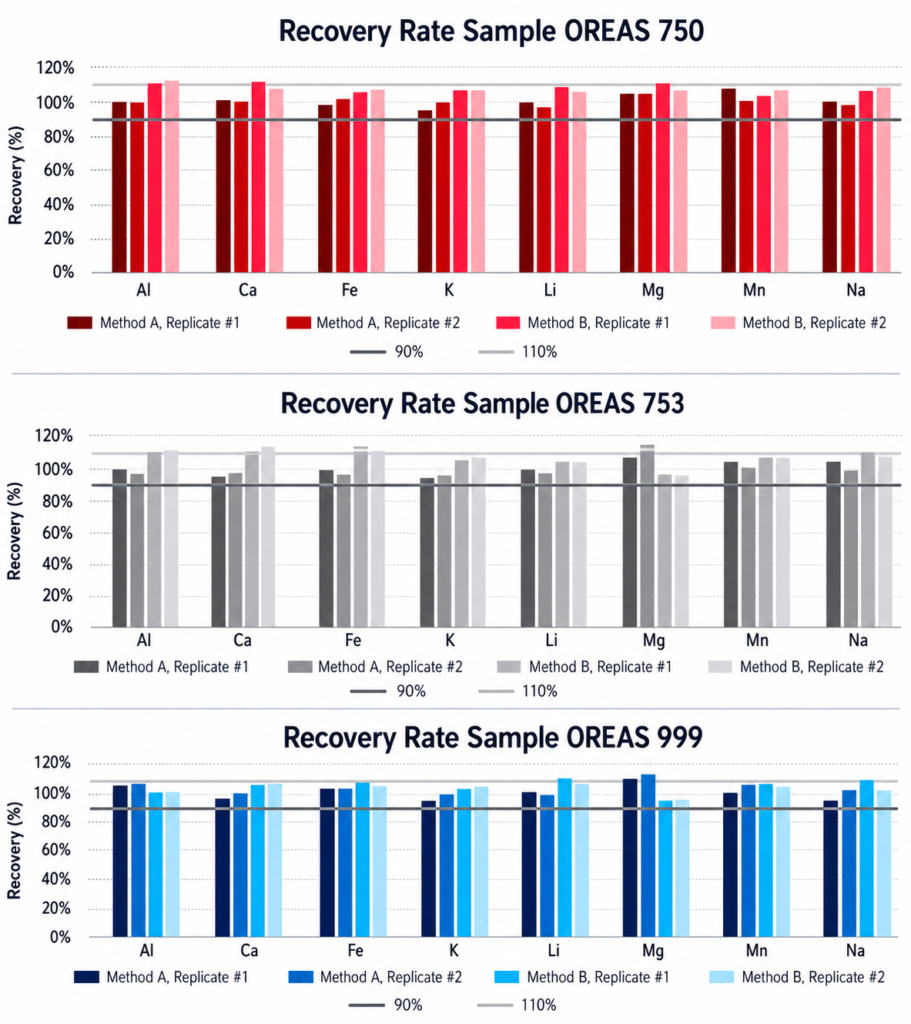
Certified reference materials (CRMs) comprising pegmatite ores (Oreas 750 and Oreas 753) and a lithium concentrate (Oreas 999) were analysed. Samples were digested using a Speedwave XPERT microwave system. Two acid mixtures were compared:
Method A: 4 mL H₂SO₄, 2 mL HF, 1 mL HCl and 2 mL HNO₃.
Method B: 2 mL H₂SO₄, 1 mL HF, 1 mL HCl and 6 mL HNO₃.
For each digestion, ~0.15 g of sample was placed in a DAK100 vessel; acid mixtures were added and left to react before sequential heating to 210 °C, 230 °C and 240 °C. After cooling, solutions were diluted to 50 mL and centrifuged to remove precipitates. Because aluminium and calcium can form insoluble fluorides when HF is present, the digests were treated with boric acid to complex fluoride ions and improve recoveries.
Prior to analysis, each solution was diluted 20‑fold with 2 % (v/v) HNO₃ and 0.2 % (m/v) CsCl; if samples exceeded the calibration range, the autosampler’s intelligent over‑range dilution function automatically applied further dilution.

How was calibration performed and what instrumentation was used?
Quantitative measurements used external calibration curves prepared automatically by the AS‑FD autosampler, which diluted stock solutions of each element using 2 % HNO₃ and 0.2 % CsCl. Calibration standards covered concentration ranges appropriate to each element; for example, lithium standards of 0–40 mg/L and aluminium standards of 0–100 mg/L were prepared. The analyses employed the contrAA 800 F/D instrument equipped with a 50 mm burner head, an autosampler with auto‑dilution and accessories such as the SFS 6 segmented flow system.
Method parameters were optimized per element—e.g., lithium was measured at 670.7845 nm with a measurement time of 3 s, a burner height of 6 mm and a C₂H₂/air flame, while aluminium was measured at 396.1520 nm under a C₂H₂/N₂O flame. The instrument uses iterative baseline correction (IBC) and can attenuate signals through side‑pixel evaluation to extend the linear range.
What did the results reveal about the digestion methods?
Three CRMs were analysed in duplicate using both acid mixtures. The recovery for each element generally fell between 90 % and 110 % of the certified values, demonstrating good accuracy. Method A and Method B produced comparable results, with replicate measurements exhibiting low relative standard deviations and confirming the reproducibility of the microwave digestion procedure. The study noted that when HF is used, a boric‑acid complexation step is essential to avoid precipitation of insoluble fluorides and ensure reliable recoveries. Overall, both digestion methods were suitable, but method‑specific recoveries indicated that certain acid compositions may favour specific elements.
How does the contrAA 800 F/D enhance speed and automation?
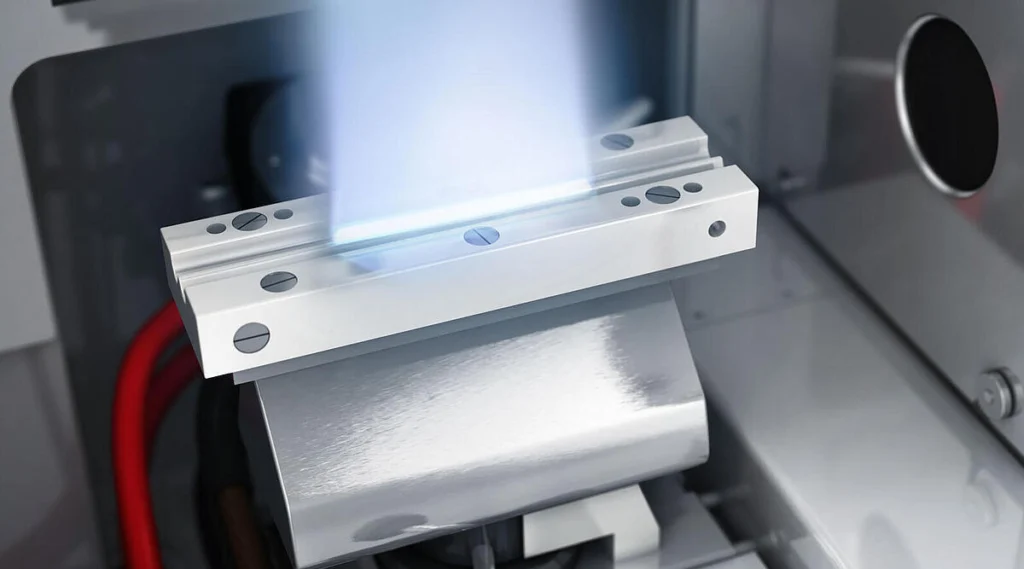
According to the summary, the HR‑CS Flame‑AAS contrAA 800 F/D employs a xenon short‑arc lamp as a continuum radiation source and enables fast‑sequential multi‑element analysis; approximately six elements can be measured within two minutes. The integrated autosampler AS‑FD automatically prepares calibration standards and applies over‑range dilutions, producing a fully automated routine. Measurement conditions can be optimized by adjusting dilution factors or using less sensitive lines, and the side‑pixel evaluation feature allows the linear working range to be extended without physically rotating the burner head.
In fast‑sequential mode, the instrument can run multi‑element methods for acetylene/nitrous‑oxide and acetylene/air flames in a single sequence. These capabilities make analysis three to four times faster than classical AAS and position the contrAA 800 F/D as a cost‑effective complement to other trace‑analysis techniques.
What detection limits were achieved?
The application note reports instrumental and method‑specific limits of detection (LOD) and limits of quantification (LOQ) for each element. For example, instrument LODs were 11.8 µg/L for aluminium, 0.3 µg/L for calcium, 1.6 µg/L for iron and 0.18 µg/L for lithium. After considering the sample dilution factor of 20, method‑specific detection limits were 78.7 mg/kg for aluminium, 2.0 mg/kg for calcium, 10.6 mg/kg for iron and 1.3 mg/kg for lithium. Such detection limits demonstrate that even at the higher dilution levels used for multi‑element analysis, the contrAA 800 F/D provides sufficient sensitivity for major and minor elements in lithium‑ore digests.
What do these findings mean for lithium‑ore exploration?
By combining microwave‑assisted digestion with high‑resolution continuum‑source Flame‑AAS, the application note demonstrates an efficient workflow for lithium‑ore analysis. The method reduces sample preparation time, ensures reproducible recoveries for multiple elements and automates calibration and dilution. Fast‑sequential operation allows major components—Al, Ca, Fe, K, Li, Mg, Mn and Na—to be measured within minutes, delivering rapid feedback to exploration teams. The approach thus supports pathfinder‑element strategies and can help mineral exploration projects quickly identify promising lithium resources.
What to do next?
If you’re involved in mineral exploration or quality control of lithium‑bearing ores, contact SciMed to learn how the contrAA 800 F/D and associated microwave digestion systems can streamline your analyses. Our specialists can provide demonstrations, discuss method implementation and tailor instrument configurations to your sample matrices. Reach out via our Education Centre or Request a Call Back to start optimising your lithium‑ore workflows.
Page FAQ's
The contrAA 800 F/D is a high‑resolution continuum‑source flame atomic‑absorption spectrometer equipped with an autosampler. It uses a xenon short‑arc lamp to provide a continuous spectrum and performs fast‑sequential measurements of multiple elements. In the application note, approximately six elements were measured in two minutes. This multi‑element capability, combined with automatic calibration and over‑range dilution, makes the instrument ideal for rapid analysis of lithium‑ore digests.
Lithium ores contain oxides of silica, aluminium and other elements. The application note compared two acid mixtures—Method A (H₂SO₄, HF, HCl, HNO₃) and Method B (H₂SO₄, HF, HCl, HNO₃ but with higher nitric acid content)—to assess their efficiency. Both mixtures produced comparable recoveries, but recovery data suggested that certain acid compositions may favour specific elements. A boric‑acid complexation step was required to avoid precipitation of insoluble fluorides.
The method targets major and minor elements including aluminium, calcium, iron, potassium, lithium, magnesium, manganese and sodium. Each element is measured at a specific wavelength using optimized burner height and flame conditions. External calibration curves prepared by the autosampler enable accurate quantification of these elements.
Certified reference materials were analysed in duplicate, and most elements showed recoveries between 90 % and 110 % of the certified values. Low relative standard deviations for replicate measurements demonstrated good reproducibility.
Contact Us Today
We take great pleasure in assisting you and ensuring you get a prompt response to your questions
Live chat opening hours Mon – Fri 9:15 to 16:30 (UK Time)