
SciMed Education
How can beer be analyzed directly by High Resolution ICP-OES?
In Summary
High Resolution ICP-OES enables direct analysis of beer for trace metals without dilution, overcoming challenges from alcohol content, high dissolved solids, and CO₂. Using robust plasma conditions and high-resolution optics, instruments such as the PlasmaQuant 9200 Elite deliver precise, interference-free detection of key elements including Ca, Na, Cu, Zn, Mn, and Fe—supporting fast, reliable quality control in brewing.
What is the challenge?
Direct analysis of beer with high total dissolved solids and volatile alcohol content.
What is the solution?
HR ICP-OES offering high matrix tolerance, sensitivity, and high-resolution optics for interference-free, precise metal detection.
What is beer and why analyze it?
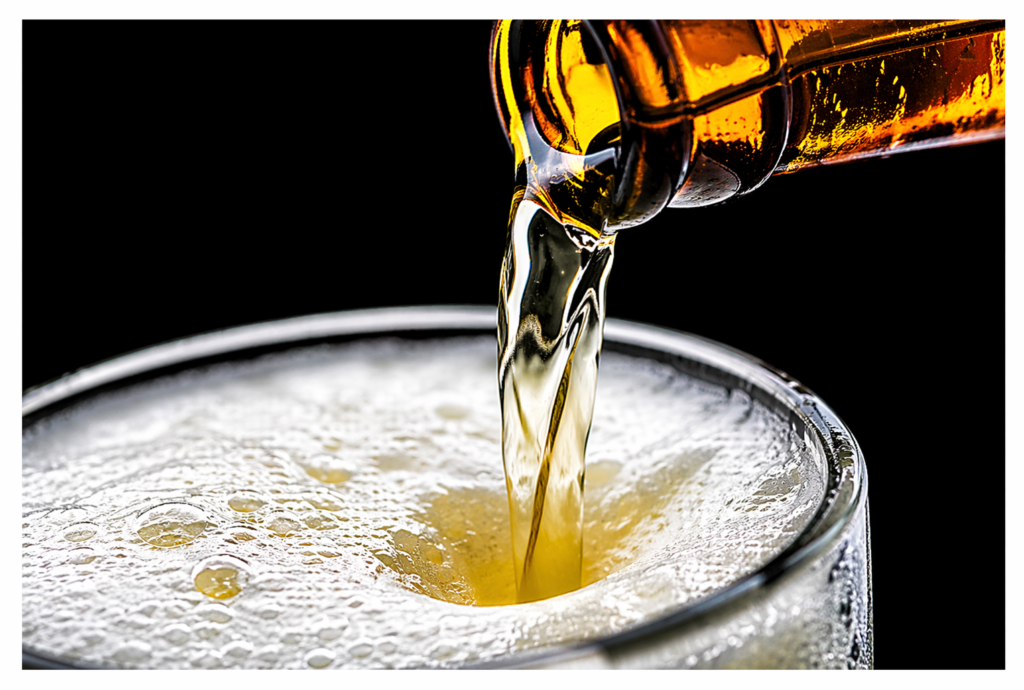
Beer is brewed from water, malted barley, and hop, with yeast and other ingredients such as rice, wheat, or corn. Since these influence taste and quality, purity is essential.
Metal contamination from raw materials or processing can affect quality. Elements such as copper and iron may cause off-flavors, while calcium, sodium, zinc, and manganese influence froth and stability.
ICP-OES is widely used for metal monitoring in brewing. Key challenges include alcohol content, high TDS, and dissolved CO₂, which must be removed for accurate results.
How are samples prepared and analyzed?
Sample Preparation
Beer samples were degassed using:
• Sonication (20 min)
• Argon stream (60 min)
Samples were then acidified with nitric acid.
Calibration
Matrix-matched calibration was performed using ethanol. Standards were prepared from single-element solutions, with yttrium and gallium as internal standards.
Instrumentation
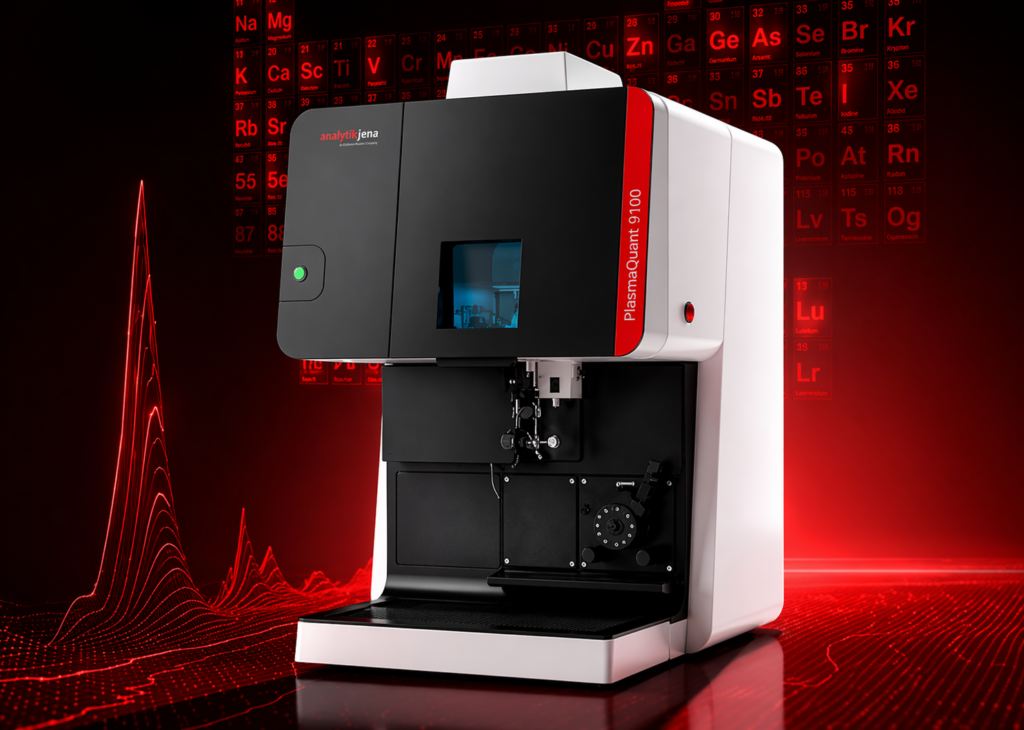
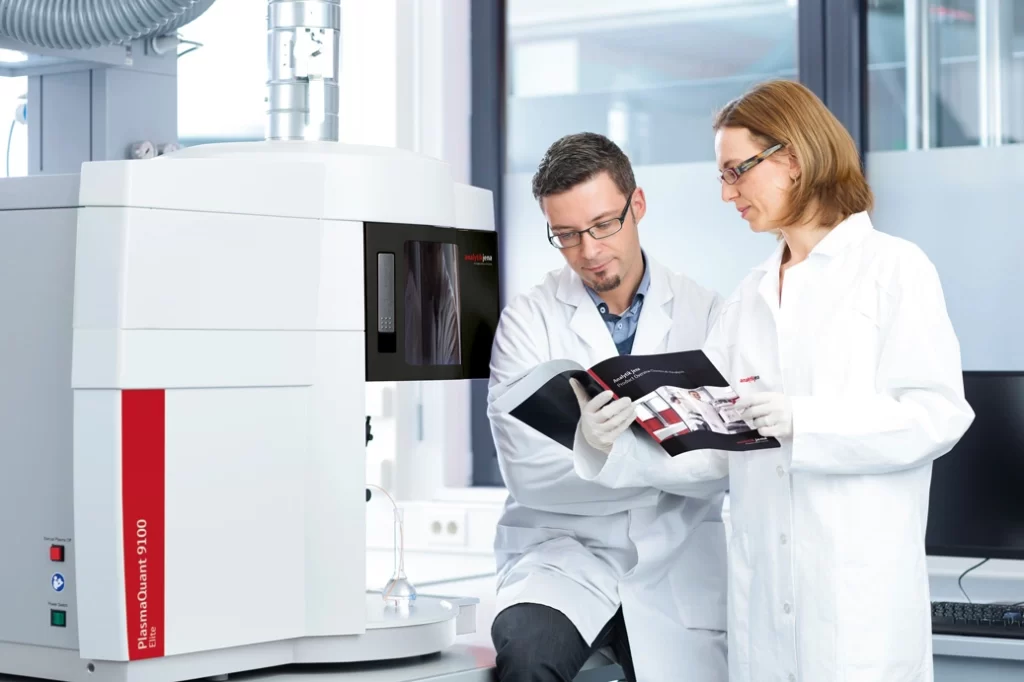
Analysis was performed using the PlasmaQuant 9100 Elite, now superseded by the PlasmaQuant 9200 Elite, with a high-matrix sample introduction kit and autosampler.
Method Overview
The method enables direct analysis of undiluted beer for Ca, Na, Cu, Zn, Mn, and Fe. High resolution ensures interference-free detection, while robust plasma conditions deliver precise results with sub-ppb detection limits.
What parameters are used for evaluation?
Key parameters include plasma view, integration mode, read time, and baseline correction. Multi-line evaluation was used for accuracy verification.
What results were achieved?
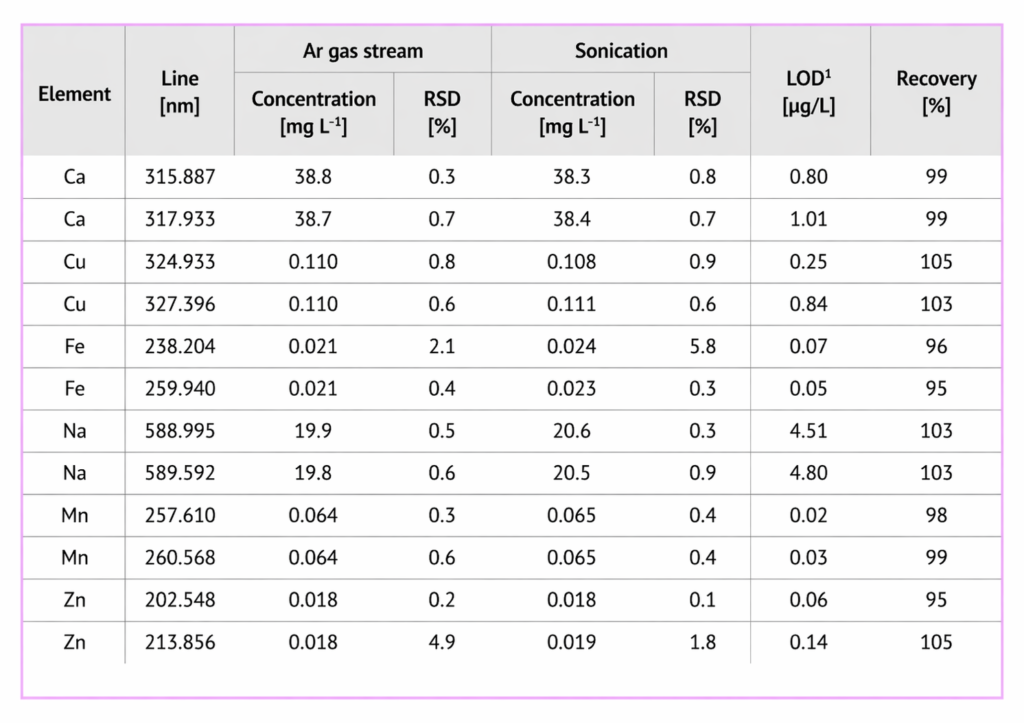
Sonication and argon degassing showed comparable results, with sonication preferred for speed and simplicity.
Spectral lines for key elements were interference-free. Results demonstrated:
• <3% deviation between lines
• RSD values <1%
• QC recoveries within ±5%
CLICK TO VIEW IMAGE
Why is this method effective?
The method enables accurate and precise metal analysis in beer with minimal preparation.
Direct measurement of undiluted samples:
- Reduces preparation time
- Minimizes contamination risk
- Improves detection limits
The PlasmaQuant 9100 Elite provides robust performance, high stability, and interference-free analysis, making it ideal for routine beer quality control. The PlasmaQuant 9200 Elite combines the same high performance with a smaller footprint low argon and energy consumption.
What to do Next?
Ready to improve your beer analysis? Enhance your workflow with reliable metal detection by requesting product information, speaking with an expert, or scheduling a demo. Contact SciMed to learn more.
Page FAQ's
Beer can be analysed directly using High Resolution ICP-OES by introducing undiluted samples under robust plasma conditions, allowing accurate metal detection without extensive preparation.
Beer contains high dissolved solids, alcohol, and CO₂, which can affect plasma stability and accuracy, making it a complex matrix to analyse.
High Resolution ICP-OES systems, such as the PlasmaQuant 9200 Elite, provide high matrix tolerance, sensitivity, and interference-free detection for precise metal analysis.
Trace metals can impact flavour, stability, and quality, making monitoring essential for consistent brewing and product control.
Contact Us Today
We take great pleasure in assisting you and ensuring you get a prompt response to your questions
Live chat opening hours Mon – Fri 9:15 to 16:30 (UK Time)